
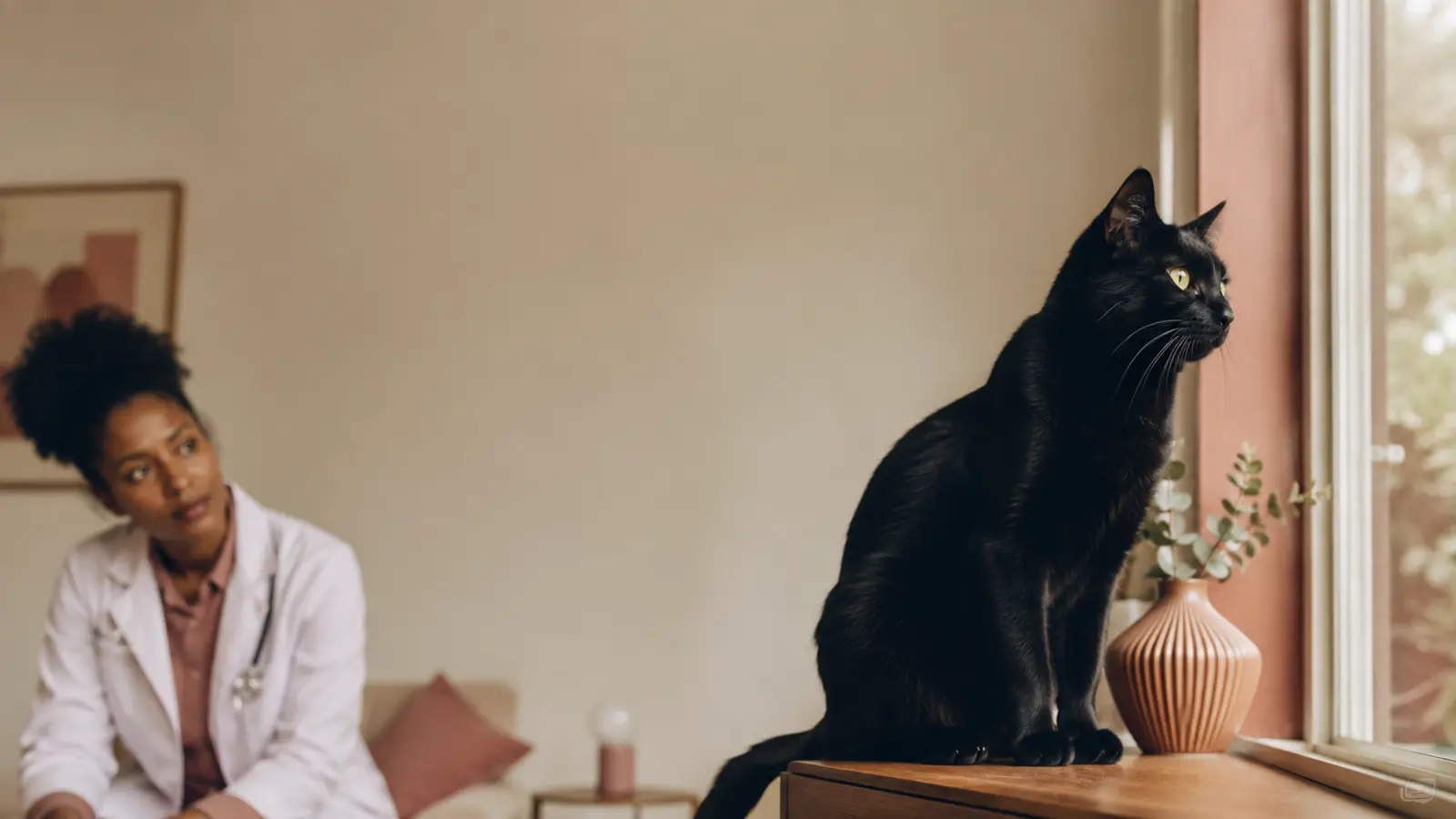
Cats are generally considered senior after age 10, but age alone does not tell the whole story.
Understanding feline life stages
Life-stage guidelines help families and veterinary teams anticipate changing needs. They are useful reference points, not rigid labels.
- Kitten: birth to 1 year
- Young adult: 1 to 6 years
- Mature adult: 7 to 10 years
- Senior: over 10 years
- End of life: a stage that may occur at any age
Ageing is not a disease
Growing older is a natural process. At the same time, age can increase the likelihood of changes in mobility, senses, cognition, organ function and behavior. Quiet signs deserve attention because cats often adapt before discomfort becomes obvious.
A senior label should never be used to dismiss a change as ‘just old age.’ It should invite closer, kinder observation.
What may change in senior cat care?
- Veterinary check-ups may need to become more frequent.
- The home may need easier access to food, water, resting places and litter trays.
- Weight, appetite, grooming, sleep, movement and social interaction become especially valuable observations.
- Pain, sensory changes and cognitive changes should be considered when behavior shifts.
More than counting years
Two cats of the same age can have very different needs. Health history, environment, temperament, relationships and daily comfort all shape the ageing experience.
Good senior care begins with the individual cat: who they are, what has changed and what still brings safety, pleasure and connection.
Additional considerations
There is no single experience of ageing. Health history, environment, relationships, temperament and access to resources shape what this stage looks like for each cat. Care should remain individual, gradual and realistic for the family.
Ageing may ask for a different rhythm, but it does not make the relationship smaller. Noticing early and adapting thoughtfully can protect comfort and preserve what matters.
Debee's perspective
Caring for the bond also means learning to notice change.
Planning is not giving up. Observation and thoughtful adaptation can protect comfort, autonomy and participation in everyday life.
Glossary of terms
- Senior cat
- A life-stage classification generally applied to cats over 10 years of age.
- Cognitive dysfunction
- Age-associated cognitive changes considered only after other possible causes have been investigated.
- Behaviour
- What a cat does in interaction with their body, history, environment and relationships; it is not a diagnosis by itself.
Sources and further reading
Educational content written by Debee Paulino, veterinarian and feline behaviour professional. It does not replace an individual veterinary assessment.
Back to the journal